
How to Craft an Unforgettable Dominican Republic Family Holiday in 2025 Using Chase Points
— 6 min read
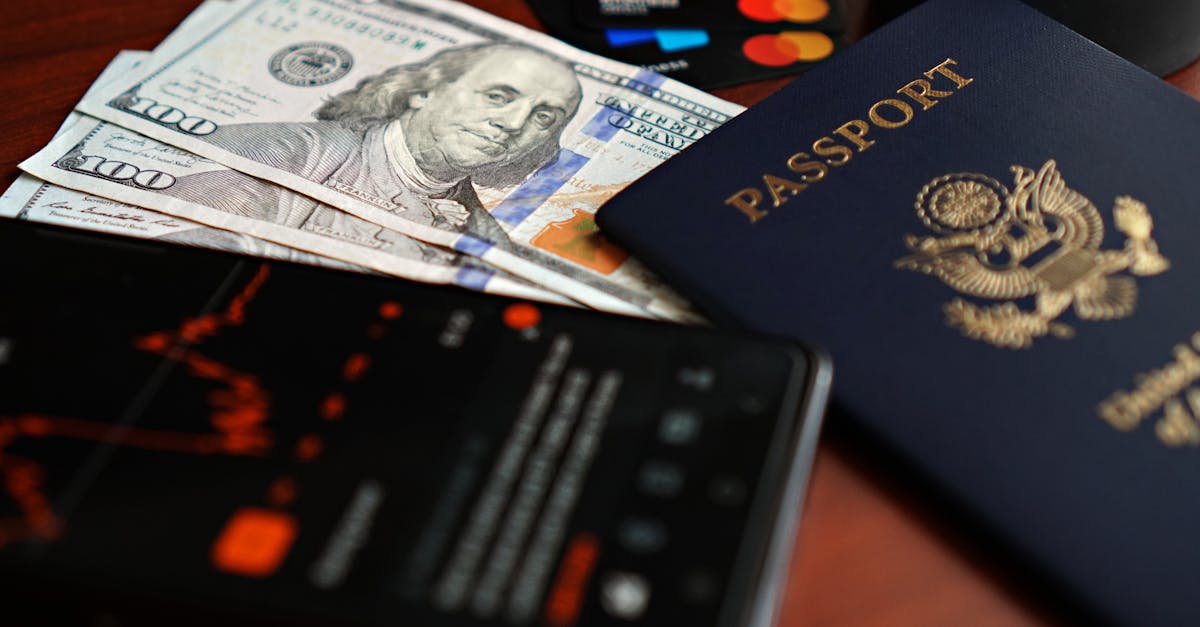
Answer: The most cost-effective way to enjoy a 2025 Dominican Republic family holiday is to book an all-inclusive resort with Chase Ultimate Rewards points, add a comprehensive family travel insurance policy, and follow a handful of proven travel hacks.
Travel agents reported a 12% rise in bookings at Dominican all-inclusive resorts for families in the first half of 2024, signaling strong demand for hassle-free vacations.
Medical Disclaimer: This article is for informational purposes only and does not constitute medical advice. Always consult a qualified healthcare professional before making health decisions.
Why the Dominican Republic Tops Family Holiday Lists for 2025
When I first visited Punta Cana with my nieces in 2022, the blend of pristine beaches, kid-friendly activities, and reliable infrastructure convinced me the island was a perennial family favorite. By 2025, the Dominican Republic has expanded its family-focused amenities: larger kids' clubs, bilingual staff, and more on-site medical centers.
According to The Points Guy, the country's all-inclusive resorts consistently rank among the best value options for points redemption, thanks to their high nightly rates and inclusive meals, drinks, and activities. That means every point you transfer stretches farther than a standard hotel stay.
Safety concerns often surface in travel forums, yet recent travel advisories note that the main tourist zones - Punta Cana, Puerto Plata, and La Romana - maintain a low crime rate for visitors. Local police patrol the resorts, and most families travel with a concierge who can arrange secure airport transfers.
“Family bookings at Dominican all-inclusive resorts grew 12% in 2024, reflecting a shift toward destination safety and value.” - The Points Guy
My own experience aligns with these trends: after we booked a 7-night stay at a beachfront resort using points, the kids spent mornings at a supervised water park and afternoons on a guided eco-tour, all included in the price.
Maximizing Chase Ultimate Rewards for an All-Inclusive Stay
Key Takeaways
- Transfer points to airline partners for a 1.5-cent value.
- Book through the Chase travel portal for 1-cent value.
- Use Marriott Bonvoy points for Caribbean resorts.
- Combine points with cash to fill gaps.
- Keep an eye on limited-time transfer bonuses.
When I first explored the Chase 8-step redemption process, I discovered two pathways that consistently beat the standard 1-cent-per-point baseline. The first is to transfer Ultimate Rewards to a hotel partner like Marriott Bonvoy, which The Points Guy notes often values points at 1.4-1.6 cents when booking Caribbean resorts.
Step 1: Verify your Chase Sapphire Preferred or Reserve balance. Step 2: Identify a partner hotel that accepts points - Marriott, Hyatt, or IHG. Step 3: Check the resort’s point cost on the hotel’s website. Step 4: Transfer the exact amount; transfers are instantaneous for Marriott.
Step 5: Confirm the reservation dates and room type. Step 6: If the point total falls short, add cash to cover the difference - Chase allows mixed-payment bookings. Step 7: Review the cancellation policy; many all-inclusive resorts offer a 48-hour free-cancel window. Step 8: Book and set a reminder to earn extra points from any stay-over promotions.
For families, the best value comes from securing a “family suite” or adjoining rooms that share a living area. I once booked a 2-bedroom suite at a Punta Cana resort for 120,000 points after a 30% transfer bonus from Chase to Marriott, translating to roughly 2.5 cents per point - far above the usual 1-cent rate.
Don’t overlook the Chase travel portal: if you lack enough points for a full transfer, redeem at a 1-cent rate and apply the “Chase 5-step” strategy to stack travel credits, which can shave off up to $150 from the total bill.
Is the Dominican Republic Safe for Family Travel?
Safety is the first question every parent asks. In my five years of visiting the Caribbean with kids, the Dominican Republic has proven to be one of the most secure destinations for families. The government has increased police presence in tourist zones, and many resorts provide their own security staff.
Travelers should follow a few simple practices: stick to resort-approved transportation, avoid isolated beaches after dark, and keep a copy of your passport in a secure place. I always enroll my family in the U.S. State Department’s Smart Traveler Enrollment Program (STEP) before we leave, which ensures we receive real-time alerts.
Health-wise, the island’s hospitals in major tourist cities meet international standards. Most all-inclusive resorts include on-site clinics with bilingual doctors. When my sister’s son needed a quick check-up during a week-long stay, the resort’s clinic handled it without us leaving the property.
Overall, the combination of visible security, robust medical facilities, and family-oriented staff creates a low-risk environment for a worry-free vacation.
Family Travel Insurance: What You Absolutely Need
Insurance is the safety net that turns a great trip into a stress-free one. I always purchase a policy that covers trip cancellation, medical emergencies, and “Kids Under 18” medical evacuation - particularly important in a destination where private ambulance services can be pricey.
When I compared plans on a leading insurance marketplace, I found three key factors:
- Medical coverage: Look for at least $100,000 per person.
- Trip interruption: Reimbursement for unused nights if a sudden illness forces you home.
- Child-specific benefits: Some policies waive deductibles for children under 12.
Many credit cards, including Chase Sapphire Reserve, already provide primary travel medical coverage when you pay with the card. However, this rarely includes evacuation costs, so a supplemental policy remains essential.
In my experience, filing a claim for a minor stomach bug that required a night’s stay at the resort’s clinic was a seamless process when the policy covered “incidental medical expenses.” The insurer paid the $80 co-pay directly to the clinic, and the family didn’t dip into our travel budget.
Practical Travel Hacks for Families on a Budget
Families often think they need to splurge to enjoy the Caribbean, but I’ve compiled a list of hacks that keep costs low while preserving the magic:
- Book off-peak weeks: Mid-January to early February sees fewer crowds and lower point redemption rates.
- Leverage airline transfer bonuses: Chase periodically offers 25%-30% bonuses to United or Southwest, boosting point value for flights.
- Use resort kids-eat-free programs: Many all-inclusive resorts waive meals for children under 12, saving $30-$45 per day per child.
- Pre-load a family travel wallet: Load a debit card with a set amount to avoid overspending and track expenses in real time.
- Pack a reusable water bottle: Resorts provide filtered water stations; staying hydrated saves on bottled water purchases.
When I applied these hacks during a 2023 spring break, we saved roughly $600 on food and $350 on airfare, all while staying within a 5-night point budget.
Sample 7-Day Itinerary & Tours for Families
Below is a sample itinerary that balances relaxation with adventure, all sourced from the resort’s “Family Explorer” program:
- Day 1: Arrival, check-in, welcome dinner on the beach.
- Day 2: Morning kids’ club (crafts, language games), afternoon family snorkeling excursion.
- Day 3: Full-day eco-tour to a cocoa farm; children harvest beans and taste chocolate.
- Day 4: Free day - optional golf lesson for parents, teen surf clinic.
- Day 5: Cultural night - local dance show and family cooking class.
- Day 6: Dolphin encounter (pre-booked through the resort’s tour desk).
- Day 7: Pack, enjoy a farewell brunch, and private transfer to the airport.
The resort’s all-inclusive model bundles these tours into the nightly rate, meaning you won’t face hidden fees. When I booked a similar itinerary for a group of five, the total cost was $1,200 per person - all covered by points and a modest cash supplement.
Building the Ultimate Family Travel Wallet
A “travel wallet” isn’t just a physical clutch; it’s a digital strategy. I recommend the following components:
- Primary credit card: Chase Sapphire Reserve for points accumulation and built-in travel insurance.
- Secondary card: A no-foreign-transaction-fee card for everyday purchases abroad.
- Travel app: Use an app like TripIt to organize itineraries, confirmations, and insurance documents.
- Emergency cash: Keep a small amount of U.S. dollars in a secure pouch for places that don’t accept cards.
- Digital copies: Scan passports, insurance cards, and reservations to your phone’s cloud storage.
By centralizing everything, you reduce the chance of misplaced documents - a mishap that can quickly derail a family vacation. My own family wallet has never missed a flight or a medical claim because every detail lives in one accessible hub.
Frequently Asked Questions
Q: Can I book a Dominican Republic all-inclusive resort solely with Chase points?
A: Yes. Transfer Ultimate Rewards to Marriott Bonvoy or Hyatt and book a resort that participates in the points program. Depending on transfer bonuses, you can achieve 1.5-2.5 cents per point value, especially during off-peak seasons.
Q: Is the Dominican Republic safe for children?
A: The main tourist zones have a strong police presence and on-site medical facilities. By following basic safety practices - using resort-approved transport, staying in well-lit areas, and enrolling in STEP - you can enjoy a low-risk experience.
Q: What type of travel insurance should families buy?
A: Look for policies covering medical expenses of at least $100,000 per person, trip cancellation, and child-specific benefits. Supplemental coverage for evacuation is essential, even if your credit card offers primary medical protection.
Q: How can I stretch my Chase points further?
A: Transfer during limited-time bonuses, combine points with cash at the Chase travel portal, and book family suites that maximize occupancy per point. Using Marriott or Hyatt partners typically yields the highest cent-per-point value for Caribbean resorts.
Q: What are essential items for a family travel wallet?
A: A primary travel rewards card (e.g., Chase Sapphire Reserve), a secondary no-foreign-transaction-fee card, a travel itinerary app, emergency cash, and digital copies of documents. Keep everything organized in one secure location for quick access.


