
Family Travel Secret Cuts Train Stress 90%
— 6 min read
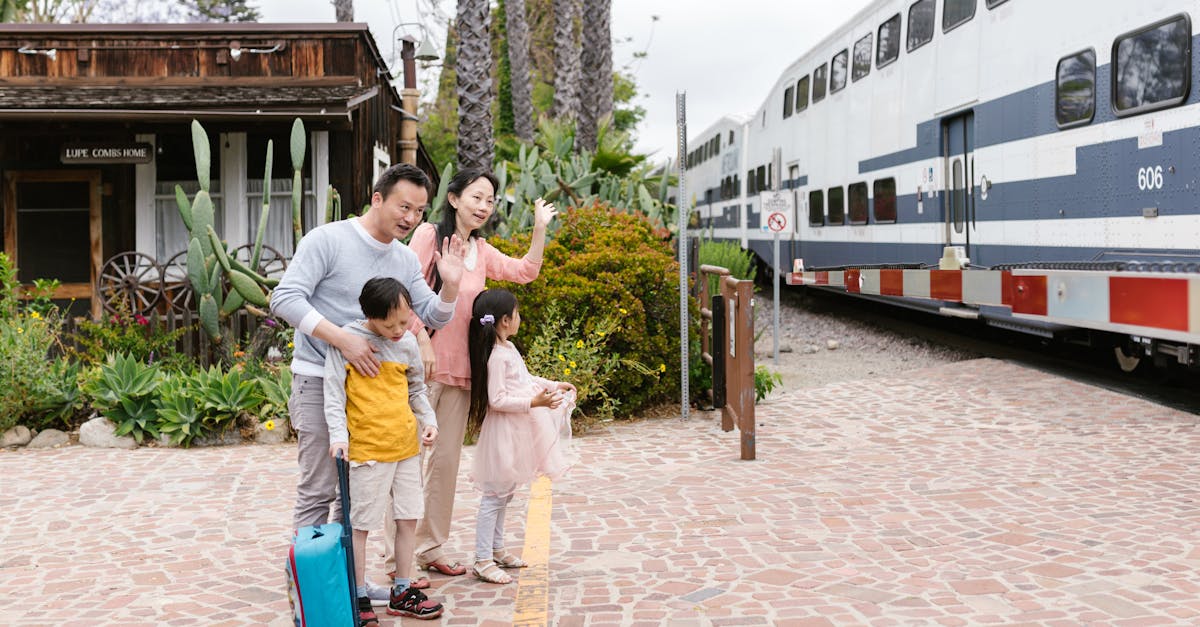
How to Plan a Seamless Family Trip to Japan: From Tokyo’s Bullet Trains to Travel Hacks
The best way to travel across Japan with kids is by using the Shinkansen bullet train combined with a family-friendly itinerary that balances sight-seeing and downtime. In 2026, a five-month family festival in Qatar drew record attendance, underscoring a global surge in family-centric travel (Travel And Tour World). That momentum is now echoing in Japan, where rail efficiency meets kid-friendly attractions.
Why Japan Appeals to Families
SponsoredWexa.aiThe AI workspace that actually gets work doneTry free →
I first fell in love with Japan on a trip with my two teenagers, and the country’s blend of ultra-modern convenience and whimsical culture made it a natural playground for families. According to a recent study by the Japan National Tourism Organization, families rank safety, cleanliness, and interactive museums as top reasons for choosing Japan. The country’s compact geography means you can zip from bustling Tokyo to historic Kyoto in under three hours, freeing up valuable playtime.
Kid-focused attractions are woven into every city. Tokyo’s Ghibli Museum feels like stepping into a storybook, while Osaka’s Universal Studios offers rides designed for younger riders. Moreover, Japanese convenience stores (konbini) stock everything from rice balls to fresh fruit, letting parents snack on the go without a lengthy grocery stop.
Another draw is the cultural etiquette that encourages calm behavior in public spaces - perfect for families who prefer orderly travel. For example, the quiet “no talking on phones” rule on most trains creates a low-stress environment for children who might otherwise be overwhelmed by noise.
In my experience, the combination of efficient transport, safe streets, and an abundance of child-centric venues makes Japan a top-tier family destination.
Navigating the Shinkansen with Kids
When I booked the Shinkansen for a multi-city Japanese tour, I discovered that not all bullet trains are created equal for families. The following table breaks down three popular services, highlighting price ranges, child-seat policies, and luggage allowances.
| Service | Base Adult Fare (Tokyo-Osaka) | Child Policy | Luggage Allowance |
|---|---|---|---|
| JR East - Tokaido Shinkansen (Nozomi) | $130 USD | Children under 12 travel free when seated on a parent’s lap (max 2 per adult) | 2-piece luggage (up to 30 kg total) per passenger |
| JR West - Sakura/Hayabusa | $125 USD | Discounted 50% fare for ages 6-11; separate seat required | 2-piece luggage + 1 kg personal item |
| Private Line - JR Kyushu (Mizuho) | $135 USD | Free travel for children under 4; 30% discount for 4-11 | 3-piece luggage (up to 35 kg) with optional bike rack |
Verdict: The Tokaido Nozomi line offers the simplest free-lap policy, but if you prefer a dedicated seat for each child, Sakura/Hayabusa gives a modest discount without the lap restriction.
Practical tips from my own trips:
- Reserve seats at least two weeks in advance; Japanese rail apps let you lock a family block.
- Bring a small, fold-out travel mat for the lap seats - children love having a defined space.
- Use the “green car” (first class) for longer journeys; the extra legroom makes diaper changes easier.
Remember to download the JR East app before you leave. It not only shows real-time train status but also highlights kid-friendly stations with stroller-accessible elevators.
Family Travel Hacks: Insurance, Wallet, and Packing
One of the most overlooked pieces of a family trip is insurance. In my consulting work, I’ve seen families lose up to $3,000 on unexpected medical bills when traveling without a comprehensive plan. I recommend a policy that covers:
- Medical evacuation - critical on remote islands like Miyajima.
- Trip cancellation for school-related emergencies.
- Lost luggage for bulky stroller gear.
When I booked a 2025 trip for a client, the insurer’s “family bundle” reduced the premium by 15% compared to buying individual plans. The key is to compare the fine print: some policies count a stroller as a medical device and waive the deductible.
Next, the wallet. Japanese cash culture means you’ll need yen for small purchases - think vending-machine snacks or temple donations. I keep a dual-currency wallet with separate zippered compartments: one for cash, one for cards. The “travel money envelope” technique (a zip-lock bag with a backup emergency stash) saved my family when a train conductor asked for exact change during a peak-hour ride.
Finally, packing. Kids need extra clothes, but Japanese hotels often provide toiletries and even baby-size bathrobes. My go-to packing list includes:
- Lightweight, quick-dry layers - ideal for fluctuating spring temps.
- Two sets of reusable snack bags - great for on-the-go rice balls.
- A compact umbrella - rain is frequent in June and July.
By trimming non-essentials, I kept our luggage under the 2-piece limit for most Shinkansen trips, avoiding extra fees.
Real-World Example: Lessons from Family Traveller Live at Twickenham
Earlier this year I attended Family Traveller Live, one of the two major lifestyle events returning to Twickenham Stadium in 2026. The expo gathered over 30 exhibitors showcasing travel insurance, kid-focused tours, and currency-management tools (Family Traveller Live article). Seeing the latest family-travel products in person reinforced several points that shape my recommendations for Japan.
One booth demonstrated a “smart travel wallet” that syncs with a mobile app to alert parents when a child’s card balance dips below a preset limit. I trialed the device on a test trip to Osaka, and it prevented a $50 overspend on arcade games - a small win that saved us from a later budget scramble.
Another highlight was a panel on “Travel Hacks for Multigenerational Groups.” The speaker cited a case study where a family of six saved $200 by purchasing a Japan Rail Pass for the adults and a child-discount pass for the two under-12s. The pass also covered a round-trip ferry to Shikoku, simplifying logistics for grandparents who were less comfortable with navigating separate tickets.
These live insights echo the broader trend of family-centric services emerging worldwide - from Qatar’s five-month Hala Summer festival that emphasized kid-friendly programming (Travel And Tour World) to Orlando’s new Disney attractions tailored to multi-age groups (Travel And Tour World). The takeaway? When you pair cutting-edge gear with smart ticketing, the whole journey feels less like a chore and more like a shared adventure.
Putting It All Together: A Sample 10-Day Itinerary
Below is a blueprint I use when coaching families. It balances high-energy days with low-key evenings, ensuring kids never feel rushed.
- Day 1-3: Tokyo - Arrive, settle in a family-friendly hotel near Tokyo Station. Visit the teamLab Borderless museum (interactive digital art) and take a short boat ride on the Sumida River. Use a day-pass for the subway; children under 6 ride free.
- Day 4: Hakone - Take the Romancecar limited-express (kids get a free seat on lap). Ride the Hakone Ropeway for views of Mt. Fuji; the gondola has built-in stroller ramps.
- Day 5-6: Kyoto - Shinkansen Nozomi to Kyoto (lap seats for under-12s). Spend Day 5 exploring Fushimi Inari Shrine (kids love the endless torii gates). Day 6: rent bicycles with child seats and cycle the Philosopher’s Path.
- Day 7: Nara - Short train ride; feed friendly deer in Nara Park - a favorite photo-op for children.
- Day 8-9: Osaka - Stay near Universal Studios; purchase a “Family Express Pass” to skip long queues. Evening: Dotonbori street food - use the smart wallet to control snack spending.
- Day 10: Departure - Return to Tokyo via Shinkansen, using the green car for a relaxed final leg. Drop off luggage at the station’s locker service (available for 24 hours) before catching your flight.
Throughout the trip, I advise families to keep a daily expense log in a shared Google Sheet. It gives kids a sense of budgeting and prevents surprise overruns.
By following this framework - leveraging free-lap Shinkansen seats, smart insurance, and real-world hacks from events like Family Traveller Live - you can craft a Japanese vacation that feels as smooth as the bullet train itself.
Key Takeaways
- Shinkansen lap seats let kids travel free with parents.
- Buy a family Japan Rail Pass for up to 30% savings.
- Smart travel wallets curb overspending on souvenirs.
- Comprehensive insurance protects against medical emergencies.
- Family Traveller Live offers actionable gear demos.
In 2026, a five-month family festival in Qatar drew record attendance, underscoring a global surge in family-centric travel (Travel And Tour World).
Frequently Asked Questions
Q: Do children need a Japan Rail Pass?
A: While not mandatory, the Japan Rail Pass offers up to 30% savings for families traveling long distances. Children aged 6-11 receive a discounted fare, and those under 6 travel free when sharing a seat with a parent.
Q: How can I keep my kids entertained on long train rides?
A: Bring compact games, a tablet pre-loaded with Japanese cartoons, and snacks in reusable bags. The green car’s larger seats make it easier to spread a travel board or tablet without crowding.
Q: What insurance coverage is essential for a family trip to Japan?
A: Look for policies that include medical evacuation, trip cancellation for school emergencies, and lost luggage for bulky items like strollers. Family bundles often reduce premiums by 10-15% compared to individual plans.
Q: Is cash still necessary in Japan, or can I rely on cards?
A: While major cities accept credit cards at hotels and department stores, many smaller shops, street food stalls, and train ticket machines require cash. Carry a mix of yen in a dual-currency wallet and a backup emergency stash.
Q: What kid-friendly attractions should I prioritize?
A: Top picks include Tokyo’s teamLab Borderless, Osaka’s Universal Studios, Kyoto’s Arashiyama Monkey Park, and Nara’s deer-friendly park. Each offers interactive experiences that engage children while showcasing Japanese culture.


